The Expensive Simulation of Intimacy
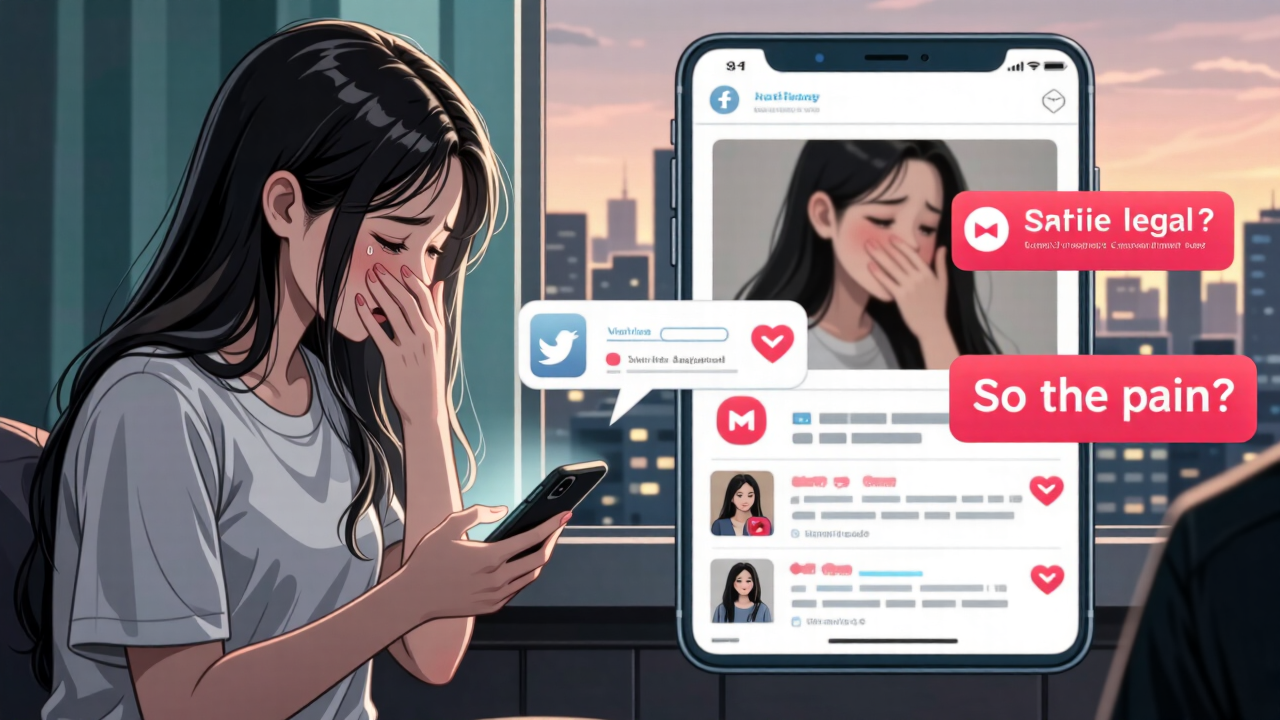
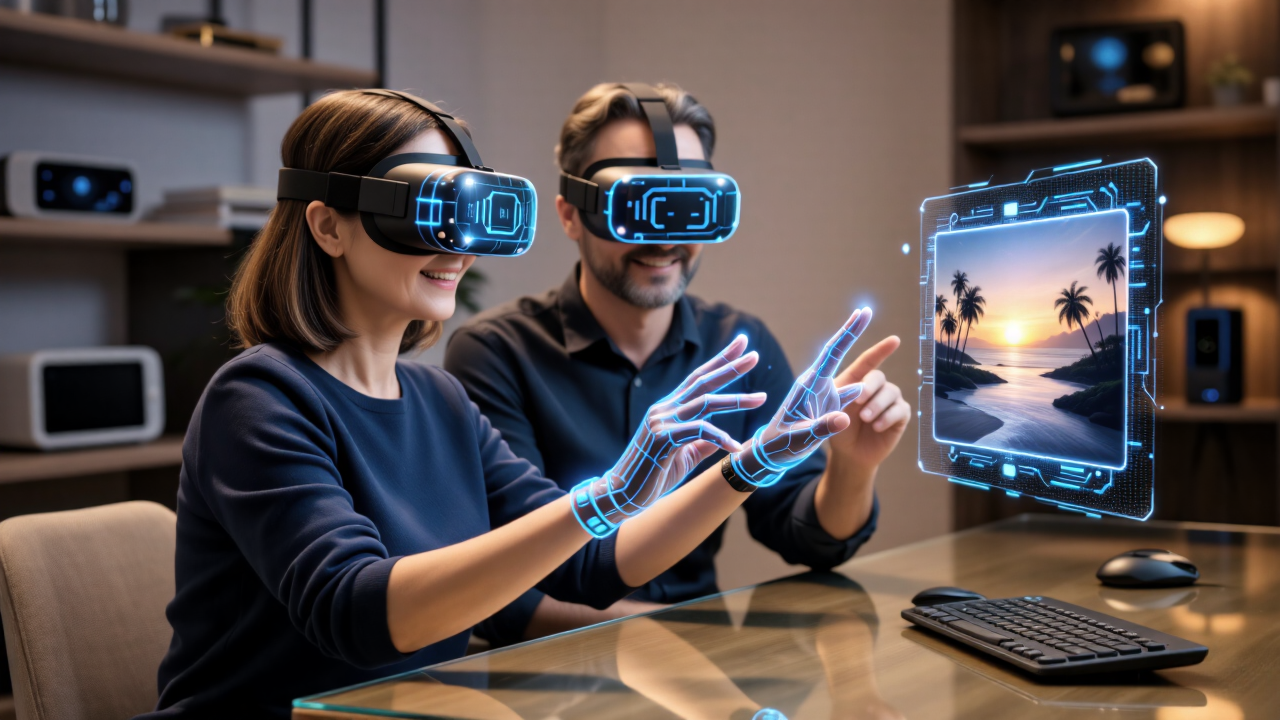
Looking out at the unrelenting, miserable gray drizzle of the Frankfurt skyline right now, my screen casting an obnoxious blue glare over a cup of espresso that went entirely cold three hours ago, I realize that Silicon Valley’s latest attempt to cure human loneliness is an absolute, catastrophic insult to our basic biology. It is sickening. We arrogantly pretend that strapping on haptic feedback gloves and projecting a hyper-realistic holographic video feed into our living rooms will somehow bridge the agonizing gap of a long-distance relationship, completely ignoring the brutal reality that simulating touch without actual bodily warmth is nothing more than high-tech psychological torture. They killed longing. Right now, on the ground, the only thing that moves the needle for couples separated by oceans is the horrifying realization that their physical separation has simply been weaponized by tech conglomerates selling them the terrifying illusion of presence. We buy ghosts.
When you actually look at the undeniable financial wreckage left behind by these hyper-optimized virtual environments, it becomes painfully obvious that the modern long-distance relationship is currently collapsing under the weight of spectacular systemic greed. It is over. On Friday, March 13, 2026, the S&P 500 closed down at a brutal 6,632.19 amidst a terrifying wave of global inflation panic, reflecting an exhausted consumer base that can barely afford groceries, let alone drop twenty-five thousand dollars on Google and HP’s new “Beam” holographic communication setup just to maintain eye contact with a partner in London. Wallets are empty. Stop being broke and stuck paying ridiculous premiums for cross-country flights when you can simply mortgage your future to buy a 3D light-field display that mathematically guarantees your boyfriend looks exactly like he’s sitting across from you, minus the smell of his skin and the actual weight of his hand. Reality is harsh. (Honestly, I laugh at these tech executives who raise millions selling immersive hardware to separated couples, when they clearly have never experienced the deeply irrational, gravity-defying terror of reaching out to touch the person you love and feeling nothing but the cold resistance of a vibrating plastic glove.) They are clueless.
The Financial Gatekeeping of “Presence”
The sheer architectural genius of modern holographic technology lies in its ability to seamlessly integrate the psychological need for physical proximity with the absolute refusal to make that technology accessible to the working class. Poverty breeds distance. If you examine the pricing models for these true-to-life 3D video communications solutions, you will find a highly engineered, exclusionary ecosystem where only the wealthiest couples can afford to experience the heightened non-verbal behaviors that these AI-powered light fields provide, totally stripping away the exhausting performative anxiety of flat Zoom calls but replacing it with total financial ruin. It is a scam. We have reached a terrifying inflection point in 2026 where the digital environment of our courtship is no longer just accommodating geographic separation, but actively colonizing our romantic desires to ensure that true intimacy is officially classified as an elite luxury good. The system breaks.
You cannot outsource your emotional connection to a proprietary hardware setup without actively surrendering your own human agency, allowing a corporate database to systematically eliminate the beautiful, serendipitous accidents that historically led to the most profound interpersonal connections. The accidents matter. (Maybe I’m overthinking this, but… seeing someone actually take out a massive personal loan to buy a holographic display just to avoid the messy, agonizing reality of a six-month work deployment, completely bypassing the anxiety-inducing mental effort that defines genuine commitment, feels like a radical act of emotional cowardice.) Empathy is dead. We desperately treat the virtual dating pool as a disposable playground for our ego, completely ignoring the tangible, beautiful chaos that used to occur during a desperate airport reunion in our frantic search for a perfectly curated, completely frictionless interaction. Look up.
The Uncanny Valley of Haptic Touch
If you want to understand the profound ethical rot at the center of the immersive tech market, you have to look past the slick corporate marketing of VR accessory companies and realize that wearing a pair of spatial haptic gloves to “hold hands” with a partner is actively creating a catastrophic, highly effective sensory black hole. Anger drives this. Users simply use or tap into a messy plan that works surprisingly well to trick their motor cortex, converting their desperate need for affection into a barrage of highly optimized, localized vibrations that perfectly mask their partner’s complete and utter physical absence. They are exhausted. It infuriates me that relationship analysts are only now acting surprised that financially independent adults absolutely refuse to take off their headsets, opting instead to hoard their simulated touches like a crutch that a traditional therapist cannot physically seize. Greed wins out.
A carefully calibrated actuator buzzing against your palm does not guarantee actual warmth, and a synchronized squeeze generated by a server in California does absolutely nothing to replicate the subtle, unpredictable rhythm of a human pulse. Technology lies constantly. The data clearly shows that while social VR experiences can temporarily foster a sense of social presence, relying on haptics for long-term romantic sustenance creates a terrifying psychological dissonance where the brain knows it is being touched but the soul feels completely abandoned. We demand truth.
The Eradication of Romantic Anticipation
The monolithic tech companies and panicked hardware developers are currently desperately scrambling to integrate these immersive features directly into our living rooms, completely missing the blindingly obvious fact that their angry user base is fleeing precisely because the marriage market already feels entirely artificial and intensely transactional. Algorithms are useless. You cannot mathematically optimize human vulnerability, and no amount of spatial audio rendering is going to convince a broke, exhausted thirty-year-old to trust a societal structure that spent the last ten years aggressively monetizing their deepest personal insecurities and extracting every ounce of their longing. The damage remains. Decades of harsh psychological reality confirm that romantic desire operates entirely like a chaotic, unpredictable earthquake, heavily reliant on a sense of unscripted anticipation that has been systematically eradicated by the absolutely crushing, robotic presence of a 3D hologram dictating your love life. Hope is gone.
The sheer arrogance of assuming that a life-size projection actually wants to solve the crisis of modern intimacy is a testament to how profoundly disconnected we have become from our own evolutionary reality, because the absolute truth is that the attention economy is actively profiting off of this extreme societal atomization. Loneliness pays well. When an entire demographic suddenly stops enduring the painful, necessary character-building of a long-distance relationship and instead shifts their energy toward aggressively managing a complex network of haptic vests and depth cameras, it ceases to be a technological miracle and instantly becomes a highly lucrative, infinitely exploitable new psychological defense mechanism. Greed blinded them. (Maybe I’m overthinking this, but… any sociologist who tells you that holographic dating is saving couples is either completely lying to you or has never actually looked at the staggering statistics regarding the sheer emotional burnout caused by trying to sustain passion with an optical illusion.) They love the isolation.
The Sterilization of the Reunion
This creates a deeply unsettling self-fulfilling prophecy where the cultural infrastructure actively rewards your isolation, offering a frictionless, hyper-convenient alternative to the terrifying, magnificent responsibility of enduring the agonizing wait for an actual, physical reunion. Friction is essential. They sell the illusion that your perfectly rendered 3D partner, your mathematically guaranteed eye contact, and your heavily filtered spatial audio can successfully replace the warmth of human intimacy, completely ignoring decades of rigorous psychological research proving that the prolonged absence of a partner is precisely what fuels the intense, necessary fire of long-term devotion. Science proves this. We eagerly trade the acute, necessary pain of a real-life logistical separation for a low-grade, perpetual depression that slowly rots our self-esteem while enriching the exact same hardware corporations that destroyed our communication skills in the first place. The screen isolates.
The Failure of the Digital Bridge
Watching modern separated couples try to build a lasting romantic future upon the sterile foundation of a haptic glove and a volumetric display is like watching someone try to grow a towering oak tree in a sealed, climate-controlled laboratory—the environment is completely devoid of the natural friction, geographic stability, and unpredictable hope required to create deep, resilient emotional roots. The setup is doomed. (Maybe I’m overthinking this, but… seeing the same destructive digital crutches exploited across the globe makes me question if we actually possess free will when it comes to courtship, or if we are just blindly executing the late-stage capitalist scripts our hardware manufacturers hardwired into our headsets.) We are ghosts. As we survive the crushing economic realities of 2026, we have to aggressively accept that human love is simply not enough to bridge the massive, terrifying gap between a technological pipeline that promises ultimate presence and a physical reality that demands absolute, messy bodily connection. Love is conditional.
The harsh truth that nobody in the lucrative immersive tech industry wants to admit is that sometimes a long-distance relationship doesn’t fail because of a lack of effort; it fails because a weary soul and an exhausted heart are trying to run two completely different, fundamentally incompatible physical protocols on the exact same broken human hardware. Crash is inevitable. We wander through these pristine, perfectly rendered digital living rooms hoping for a sudden miracle of genuine connection, but perhaps the only real mercy left is recognizing when the structural chasm between a vibrating glove and a beating heart is simply too wide to jump. I am done.