The Death of the Algorithm and the Birth of the Aisle
Sitting here watching the sleet hammer against my window in Frankfurt, the sky a bruised purple and the harsh fluorescent glare of the screen reflecting off my cold, half-empty espresso cup, I realize that our desperate search for intimacy has officially broken the internet and spilled into the produce section. We are regressing. You see, the digital matchmaking complex has completely sterilized the human experience of finding a mate, replacing the terrifying, beautiful vulnerability of a physical encounter with an endless, numbing stack of curated profiles that reduce our souls to mere data points begging to be swiped. It is sickening. (Maybe I’m overthinking this, but I am utterly convinced that dating apps were never designed to find you love, just to keep you perpetually addicted to the search.) I genuinely despise what technology has done to romance… a complete disaster.
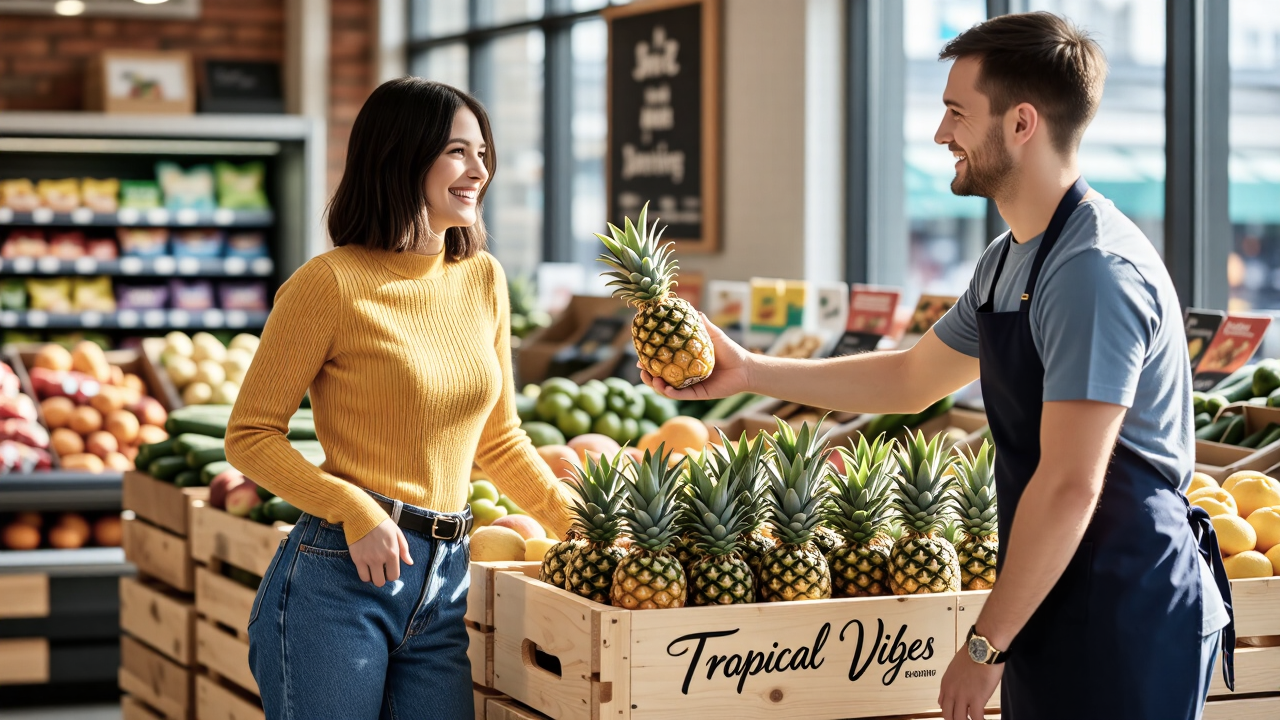
Right now, on the ground, the only thing that moves the needle for singles completely burnt out by Tinder is a bizarre, highly localized phenomenon that started in Spanish supermarkets like Mercadona, where placing an upside-down pineapple in your shopping cart between the hours of 7 PM and 8 PM signals that you are available and actively looking for a partner. Pineapples mean love. A messy plan that works far better than any algorithm, this ridiculous trend requires participants to abandon the safety of their couches, walk into the glaring lights of the wine aisle, and literally collide their physical shopping carts with someone else who is broadcasting the exact same fruit-based signal of loneliness. Friction is everything.
The Economics of Physical Flirting
When the S&P 500 plummeted and closed at a brutal 6,672.62 on Friday, March 13, 2026, amidst widespread panic over spiking oil prices and an escalating conflict in the Middle East that threatens to trigger massive inflation, the immediate economic reality forced thousands to cancel their premium dating app subscriptions just to afford basic groceries. Money dictates behavior. Stop being broke and stuck paying twenty dollars a month for digital rejection when you can simply walk into a local store, grab a piece of tropical fruit, and tap into a vibrant, chaotic meat market that costs absolutely nothing unless you actually buy the groceries. Reality is cheap. (Honestly, I laugh at these tech bros in Silicon Valley crying over their falling user metrics while teenagers in Bilbao are literally mobbing supermarkets to flirt.) They lost control.
The sheer absurdity of the upside-down pineapple trend exposes a massive psychological fracture in modern society, revealing that we would rather adopt a completely arbitrary and slightly embarrassing public ritual involving a spiky fruit than spend one more agonizing second swiping through the hyper-filtered, aggressively fake profiles that dominate our digital lives. We are exhausted. Most sociologists will claim this is just a passing TikTok fad fueled by bored teenagers… which is a painfully shallow analysis that entirely ignores the deep-seated human craving for spontaneous, unscripted eye contact that an app can never provide. They are wrong.
The Secret Language of Groceries
If you actually want to decode the romantic intentions of these desperate shoppers, you have to look past the pineapple and analyze the secondary items they place in their carts, because this underground community has rapidly developed a highly specific, wordless vocabulary to broadcast their exact relationship goals. It is fascinating. Throwing a box of chocolates or sweets into your basket alongside the pineapple is a universal signal that you are only hunting for a temporary, physical fling, whereas burying that same fruit under a mountain of fresh vegetables or legumes broadcasts a desperate desire for a serious, long-term commitment. Carrots mean marriage. (I find it hilarious how we complain about dating being too complicated, yet we willingly invent an entirely new, produce-based semaphore system just to avoid saying “hello”.) People are bizarre.
A Collision of Contexts
There is a massive, incredibly awkward caveat to this entire supermarket mating dance that nobody seems to want to acknowledge, and it involves the historical, deeply ingrained symbolism of the upside-down pineapple within the older, more secretive swinger community. Context is critical. For decades, placing this exact fruit in this exact orientation on a cruise ship door or a porch has been a loud, undeniable bat-signal indicating that a committed couple is actively looking to swap partners for the night, creating a terrifying potential for cross-generational misunderstandings in the dairy aisle. Mistakes will happen. I can only imagine the sheer horror of a twenty-two-year-old TikTok user bumping carts with a married couple in their fifties who are completely misunderstanding the assignment. Chaos reigns supreme.
Gamified Reality and the Police
The sheer scale of this phenomenon has rapidly evolved from a cute internet joke into a literal logistical nightmare for the actual employees trying to run these grocery stores, culminating in a frankly unbelievable incident in the northern Spanish city of Bilbao where a massive flash mob of horny singles completely overran a local Mercadona. Police were called. The authorities had to dispatch the Ertzaintza, the Basque regional police force, just to disperse the massive crowds of teenagers who were violently ramming their shopping carts together in the produce section without ever actually intending to purchase a single item. Flirting became vandalism.
When you gamify a public utility space to this extreme degree, you completely destroy the functional purpose of the environment, forcing exhausted retail workers to spend hours putting away bruised, abandoned pineapples left behind by failed romantics who decided to go home empty-handed. The workers suffer. (Maybe I’m overthinking this, but it feels incredibly dystopic that our desperate need for physical connection is actively punishing minimum-wage employees who just want to finish their shifts.) Romance causes collateral damage. We aggressively treat the physical world as a disposable playground for our fleeting digital trends, completely and utterly ignoring the tangible, rotting mess we leave behind in our frantic, selfish search for an authentic romantic spark. Selfishness drives love.
Why We Crave the Physical Collision
Looking at the broader macroeconomic picture, this sudden rejection of paid dating applications aligns perfectly with the brutal financial reality of 2026, where tightening budgets force consumers to mercilessly cut discretionary spending in favor of basic survival. Money is tight. As I mentioned earlier regarding the S&P 500 crash on March 13, when your portfolio bleeds and inflation erodes your purchasing power, the idea of paying a monthly fee just to access a digital queue of terrible matches becomes a completely unjustifiable luxury. The apps die. We simply use or tap into free, poorly-lit communal spaces like grocery aisles to fulfill our primal biological imperatives, proving beyond a shadow of a doubt that economic desperation is actually the greatest catalyst for forced social interaction. Poverty breeds proximity.
The greatest tragedy of the digital age is that we engineered all the physical friction out of the dating process, completely forgetting that the terrifying, palm-sweating anxiety of walking up to a stranger in public is the exact evolutionary mechanism required to generate genuine romantic chemistry. Safety is sterile. We replaced the adrenaline spike of a real-life rejection with the dull, chronic ache of being left on read by a stranger we have never even met, trading acute pain for a low-grade, perpetual depression that slowly rots our self-esteem. The screen isolates.
I am sitting in this dark Frankfurt apartment, listening to the rain violently lash against the glass, and I suddenly realize that the teenagers aggressively bumping their shopping carts in the wine aisles of Madrid are entirely correct in their chaotic rebellion against the algorithm. They are alive. They have realized that a messy plan that works in the real world, no matter how stupid or inconvenient it may be for the store manager, is fundamentally superior to the perfectly optimized, soul-crushing isolation of swiping alone in the dark. We need friction.
Perhaps the real lesson here isn’t about the specific fruit at all, but rather the terrifying realization that we have become so incredibly starved for unscripted, physical reality that we are willing to hijack a grocery store just to feel the sudden, jarring impact of another human being entering our orbit. The collision matters. I am staring at my phone right now, watching the little dating app icon sit there, completely useless and silent, and I cannot help but wonder if I should just delete the damn thing entirely and go buy some groceries. I need lentils.