
.jpg)
Religion has been a guiding force in many individuals’ lives, influencing values, behaviors, and decisions. In the realm of dating, religious beliefs can play a pivotal role, affecting partner selection, relationship dynamics, and long-term compatibility. This article explores how different religions impact dating practices, offers guidance on finding a suitable partner within one’s faith, and discusses balancing modern dating with traditional religious views.
1. Influence of Different Religions on Dating
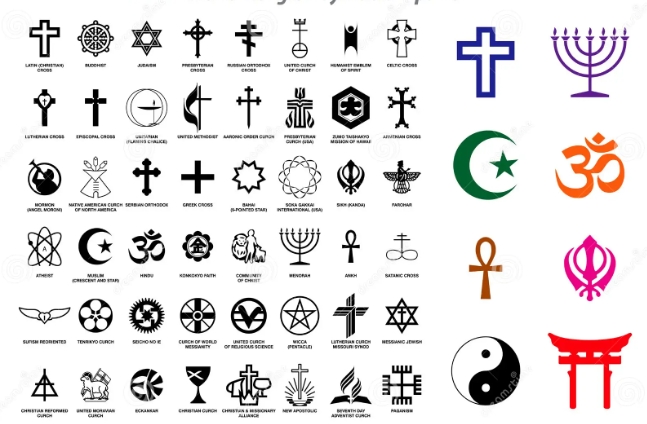
- Christianity: Many Christian denominations emphasize the importance of shared faith in relationships. Teachings often advocate for purity before marriage and encourage couples to build their relationship on spiritual foundations. Church communities frequently serve as venues for socializing and meeting potential partners who share similar beliefs.
- Islam: In Islam, dating practices vary widely across cultures, but maintaining modesty and family involvement are common themes. Some Islamic traditions prefer arranged marriages to ensure compatibility in faith and values. Physical intimacy is generally reserved for marriage, and public displays of affection are often discouraged.
- Hinduism: Hindu culture traditionally places significant emphasis on familial involvement in choosing a life partner. Factors such as caste, community, and horoscope compatibility are considered vital. However, urbanization and modernization have led to more autonomous dating practices among younger generations.
- Buddhism: While Buddhism doesn’t prescribe specific dating rules, it emphasizes mindfulness, compassion, and right intention. These principles guide individuals to seek partners who align with their path to enlightenment and personal growth.
2. Finding a Compatible Partner Within Religious Beliefs
- Shared Values: Seeking a partner with similar religious beliefs can lead to harmony in values, traditions, and future family upbringing. Shared faith often provides a common framework for decision-making and conflict resolution.
- Religious Communities: Places of worship, religious events, and community gatherings offer environments conducive to meeting potential partners with similar faith backgrounds. Engaging in community service or religious study groups can also facilitate meaningful connections.
- Faith-Based Dating Platforms: The rise of online dating has led to platforms catering specifically to individuals seeking partners within their religious community. These platforms often incorporate faith-based questions and preferences to enhance compatibility.
3. Balancing Modern Dating with Traditional Religious Views
- Navigating Differences: In multicultural societies, individuals may encounter partners from different religious backgrounds. Open communication and mutual respect are crucial in navigating such relationships. Discussing beliefs, traditions, and expectations early can prevent misunderstandings.
- Interfaith Relationships: These relationships require understanding and compromise, especially concerning rituals, festivals, and raising children. Couples must address potential challenges and establish a shared approach to blending traditions.
- Evolving Practices: Many religious communities are adapting traditional views to accommodate modern dating practices. Engaging in dialogues that blend faith with contemporary relationship dynamics can lead to more inclusive and supportive environments.
Religion profoundly influences dating and relationships, guiding individuals in their choices and interactions. Recognizing and respecting these influences fosters deeper connections and harmonious partnerships in our diverse world.