.jpg)
Hinduism, one of the world’s oldest religions, has deeply shaped India’s views on love and marriage. Unlike the Western concept of free romance, Hindu traditions emphasize the sacredness of marriage, the importance of family, and the idea of destiny. This article explores the core beliefs of Hindu love and marriage and their impact on modern Indian society.
1. The Sacredness of Marriage
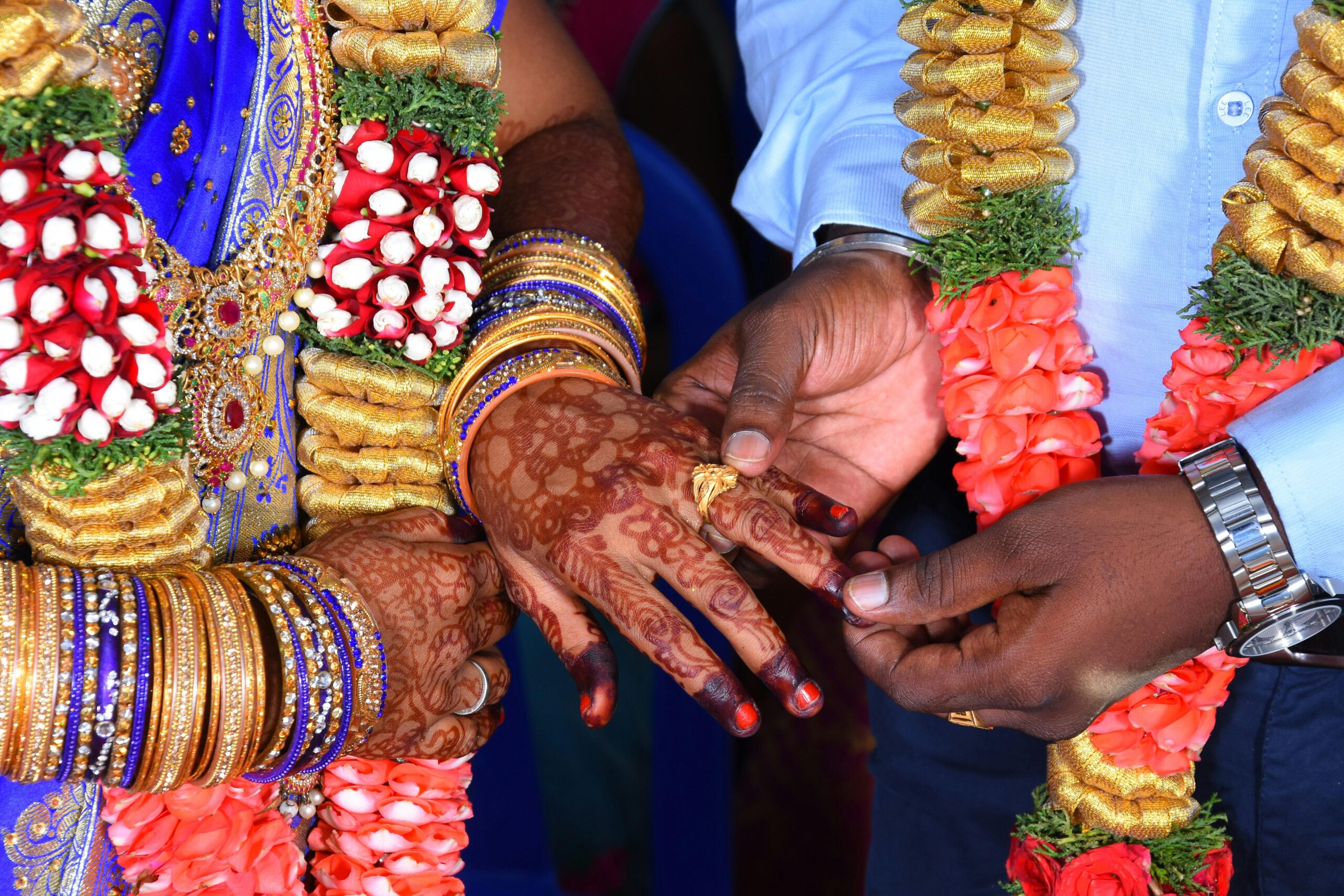
In Hindu culture, marriage is not just a personal relationship but a religious duty. It is considered one of life’s four major goals—Dharma (duty), Artha (prosperity), Kama (desire), and Moksha (liberation). Hindu philosophy suggests that a marriage should be based on spiritual compatibility rather than just romantic attraction. Many still believe in the idea of a “destined partner,” where marriage is arranged by divine forces.
2. Caste System and Marriage Compatibility
Although Indian society is evolving, the caste system still influences marriage choices. Traditionally, people are encouraged to marry within their own caste to maintain social stability. Even today, arranged marriages are common, with families or matchmakers playing a key role in selecting a partner, rather than individuals choosing their spouse freely.
3. Challenges for Modern Indian Youth
While Hindu traditions emphasize arranged marriages, many young Indians are embracing love marriages, especially in urban areas. Inter-caste and interfaith marriages are becoming more common, but they still face social resistance. Many young people struggle to balance personal choices with family expectations, leading to difficult decisions about love and marriage.
Hindu love and marriage traditions emphasize destiny and duty, while modern generations seek personal choice and happiness. Do you think love should follow traditional values, or should individuals prioritize their own happiness? If your family had strong opinions about your love life, how would you handle it? Share your thoughts in the comments!