.jpg)
Ramadan is a crucial part of the Muslim faith, involving fasting, prayer, and reflection. It’s not only a time for spiritual purification, but also an important moment for family and community. However, during this deeply spiritual month, many modern Muslims struggle with balancing their faith and emotional needs. The question of how love and romantic feelings can coexist with religious practices during Ramadan has become a topic of interest for many.
Abstinence and Inner Conflict During Ramadan
During Ramadan, Muslims are required to fast and practice high levels of self-discipline. This is not just a physical challenge but also a way of controlling emotional desires. Many people use this time to focus on spiritual growth and avoid becoming overly involved in worldly pleasures. For Muslims who are in romantic relationships, handling emotional ups and downs while staying true to their faith can be difficult.
Although faith calls for controlling physical desires, it does not mean rejecting love entirely. In fact, love is seen as a pure emotion in Islam. During Ramadan, Muslims are encouraged to build connections with loved ones in proper ways, such as through marriage, which allows for emotional fulfillment. So, finding ways to express love while maintaining spiritual purity becomes an important challenge for modern Muslims during Ramadan.
Modern Muslims’ Views on Love and Faith
The way modern Muslims view love doesn’t conflict with traditional religious practices, especially in urban environments. Many young Muslims are seeking a balance between their faith and romantic relationships. During Ramadan, many Muslims choose to engage in moderate social interactions, such as staying in touch via mobile phones or social media, but always adhering to religious moral standards—avoiding too much intimacy or unnecessary emotional impulses.
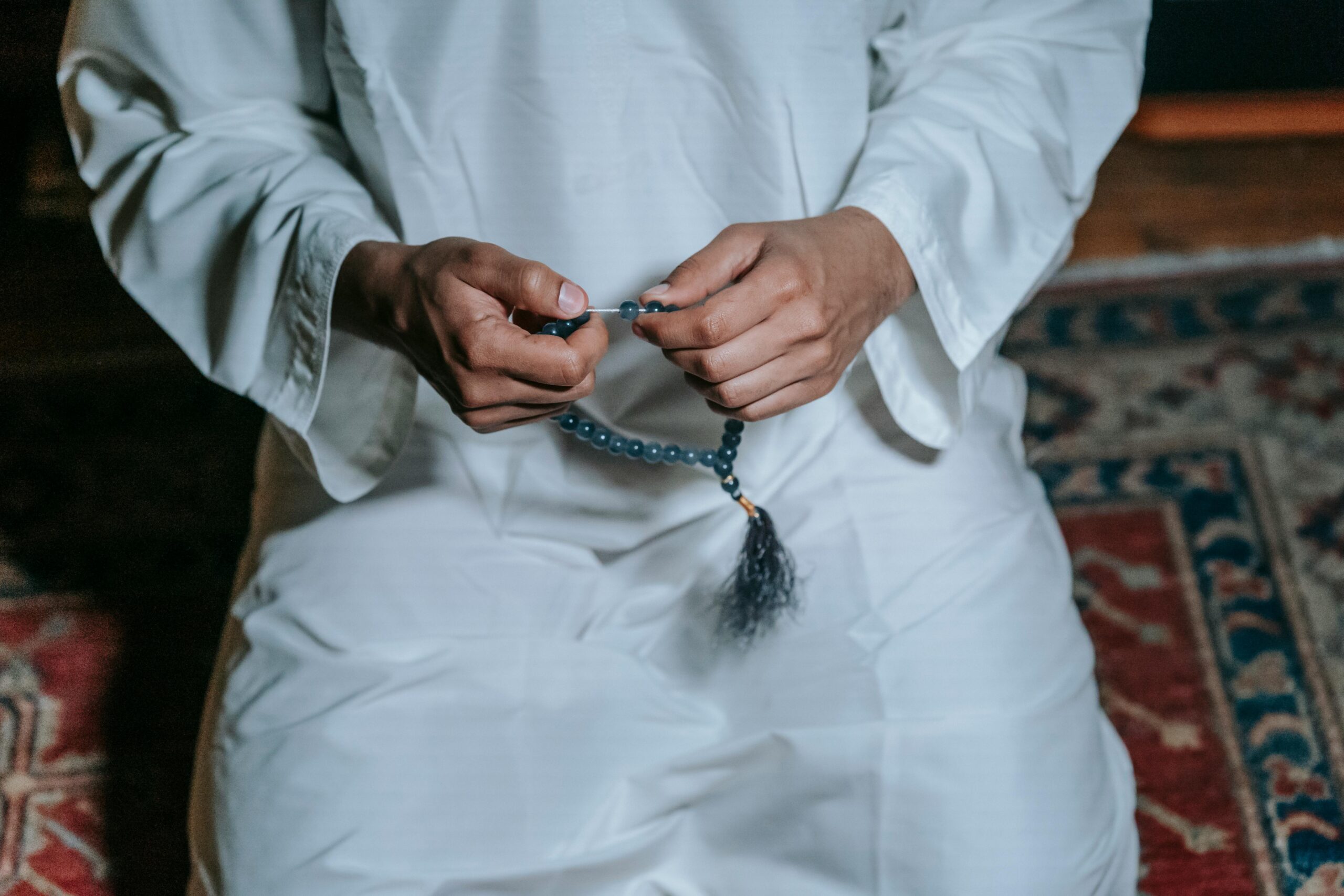
Some young Muslims focus more on personal growth during Ramadan, prioritizing prayer, reading religious texts, and reflecting. This helps them reduce emotional distractions while maintaining purity and creating space for communication with their partners in a spiritual way.
Emotional Communication and Mutual Respect
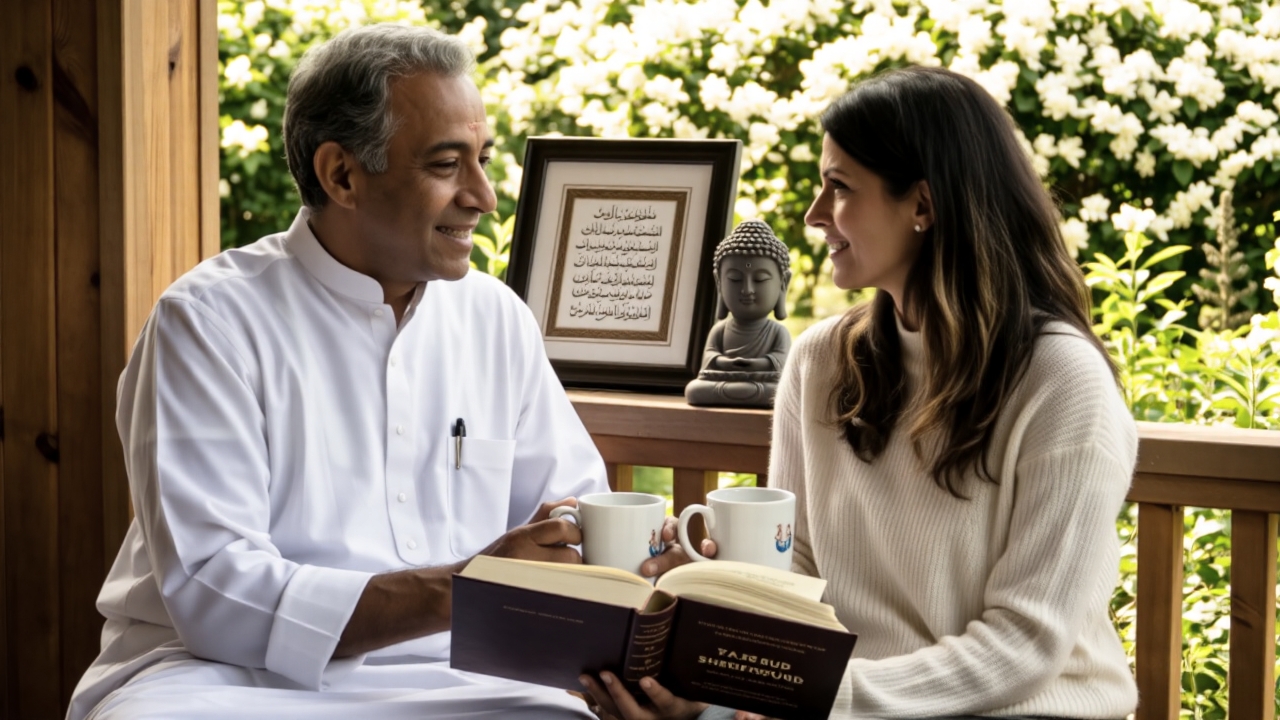
During Ramadan, interactions between Muslim couples are often centered around communication and mutual respect. Many couples prefer to express their love through words, letters, or other forms of non-physical interaction. After breaking their fast in the evening, couples often share meals together to enjoy each other’s company, while avoiding overly intimate interactions during the fasting period.
Respecting each other’s faith practices is also essential in relationships during Ramadan. Many couples encourage each other to maintain their devout religious life, and even attend collective prayers together. This strengthens their spiritual connection. During this special month, love takes on more profound spiritual significance, transcending basic emotional needs.
During Ramadan, balancing love and faith is a challenge for modern Muslims, but it is also a growth process. Love doesn’t conflict with faith—it’s about expressing it in a way that is pure and respectful, guided by religious principles. Through rationality and self-discipline, Muslims can maintain the purity of love while preserving the integrity of their faith. How do you think love and faith should be balanced during Ramadan? Feel free to share your thoughts in the comments and see how others interpret the relationship between the two.