
.jpg)
Today’s younger generation lives in a world of open information and diverse values. And yet, religion still casts a long shadow over how many people view love and intimacy. From traditional beliefs in “waiting until marriage” to modern ideas of “sexual autonomy,” this age-old debate continues to play out in the romantic lives of young people around the world.
1. The Guardians of Purity
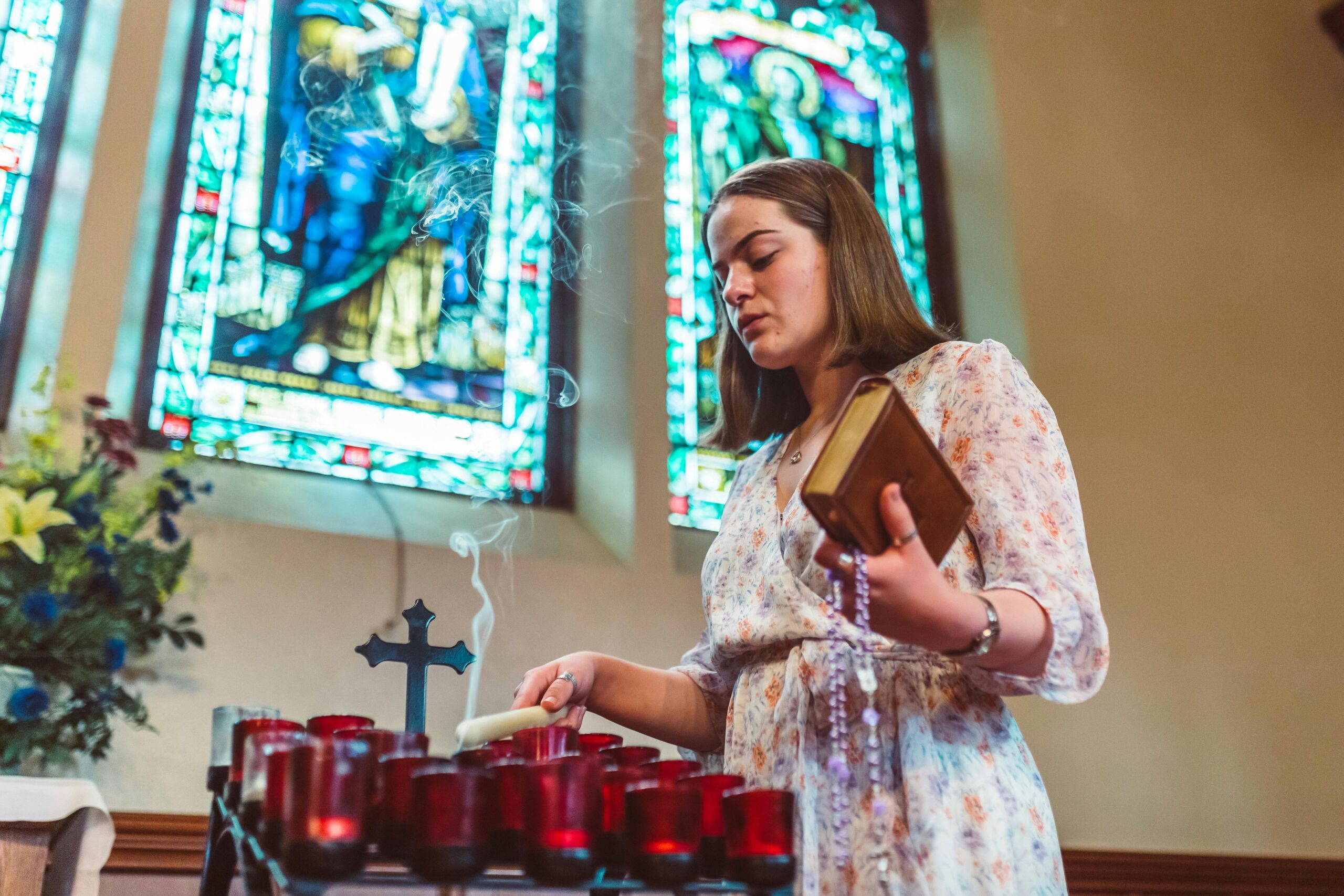
In many religious traditions—like Christianity, Islam, and Hinduism—premarital sex is considered immoral or even sinful. Even in our modern world, many young believers still choose to remain celibate until marriage as an act of faith. For them, it’s not just about following rules; it’s a personal identity rooted in spiritual conviction and moral values.
2. The Rise of Sexual Freedom
On the flip side, many others emphasize bodily autonomy and emotional authenticity. They see physical intimacy as a natural and healthy part of romantic connection, not something to be restricted by tradition or doctrine. In some Western cultures, the idea of “sex first, love later” is not only accepted but seen as a way to test compatibility before committing emotionally.
3. Between Belief and Choice
Interestingly, most young people today don’t choose one extreme or the other. Instead, they navigate a middle ground—balancing religious values like honesty and respect with a modern understanding of boundaries and consent. This “blended” approach may reflect the growing diversity in how relationships are formed and maintained in today’s society.
So what’s your take: Is chastity outdated, or is it still meaningful in love? Should religion play a guiding role in modern relationships—or should personal freedom come first? Share your thoughts in the comments! Whether your experience supports tradition or challenges it, your voice might help others reflect on where love and faith truly meet.

This is such a thought-provoking read! It’s fascinating how religion and modern values continue to shape young people’s views on love and intimacy. I appreciate how the text highlights the diversity of perspectives, from traditional beliefs to modern autonomy. It’s interesting that many are finding a middle ground, blending respect for tradition with contemporary ideas of consent and boundaries. Do you think this “blended” approach is the future of relationships, or will one side eventually dominate? I’d love to hear your thoughts on how cultural and religious backgrounds influence these choices. What’s your take on the balance between personal freedom and spiritual conviction? Let’s discuss!