.jpg)
Japanese dating culture has long fascinated the world with its unique characteristics. From the traditional belief in “marriage compatibility” to the modern emphasis on “love first,” the perspective of young Japanese people on relationships is undergoing a significant transformation. These changes not only reflect shifts in social structure but also reveal different understandings of love among younger generations.
1. Traditional Marriage: Compatibility Over Love
For decades, Japan’s marriage ideology has prioritized compatibility over romance. It was common for parents to arrange introductions, for companies to facilitate internal matchmaking, or for people to seek partners through marriage agencies. Rather than focusing on a passionate love story, Japanese society traditionally valued financial stability, family background, and personal security when it came to choosing a spouse.
2. Modern Love: Seeking Emotional Connection
With the influence of Western culture, younger generations are shifting toward a “love first” approach. They place more emphasis on shared interests and personality compatibility rather than economic factors. The rise of dating apps and social media has also given young people more opportunities to find love independently, rather than relying on family or matchmaking agencies.
3. The Uniqueness of Japanese Dating Culture
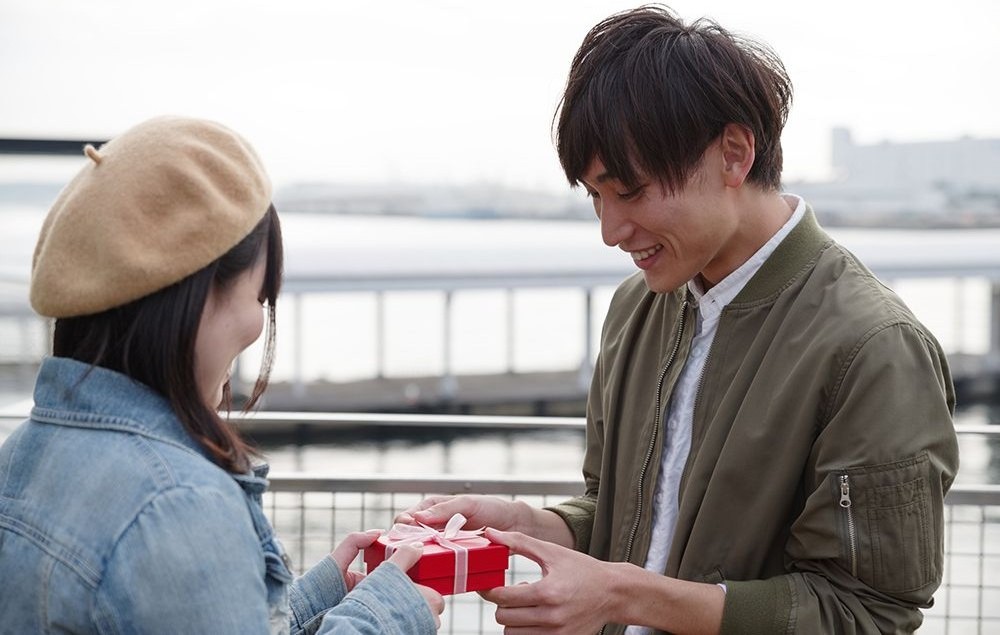
Japanese dating culture differs from that of Western countries in several ways. For example, the “confession culture” remains highly significant—people often formally confess their feelings before officially entering a relationship, rather than dating casually for a period before defining the relationship, as is common in Western countries. Additionally, Japan has numerous “couples’ days” such as White Day and Tanabata, which play a role in shaping romantic traditions and expectations.
Japan’s dating culture is undergoing a transformation, shifting from marriage-focused traditions to modern romantic ideals. Do you believe that love should be the foundation of a relationship, or do you think practical factors should be considered as well? Have you ever experienced cultural differences in relationships? Share your thoughts in the comments!